
Drones can be used for many different purposes and are becoming increasingly crucial in the offshore industry as a way to monitor offshore facilities. Not only are they a convenient way to perform visual inspections of large areas, they can significantly reduce risks for technicians and other staff.
Before we look in more detail at the benefits of using a drone in the offshore industry, let’s find out more about what a drone is and what it can do.
What is a drone?
A drone (also known as an Unmanned Aerial Vehicle (UAV) is often described as a flying robot. Originally designed for the military and aerospace industry, drones are now used for a variety of tasks. They operate without a pilot onboard and they can vary in size, from as small as your hand to as large as an aircraft. The drone receives remote commands from a pilot or relies on software to plot its flight.
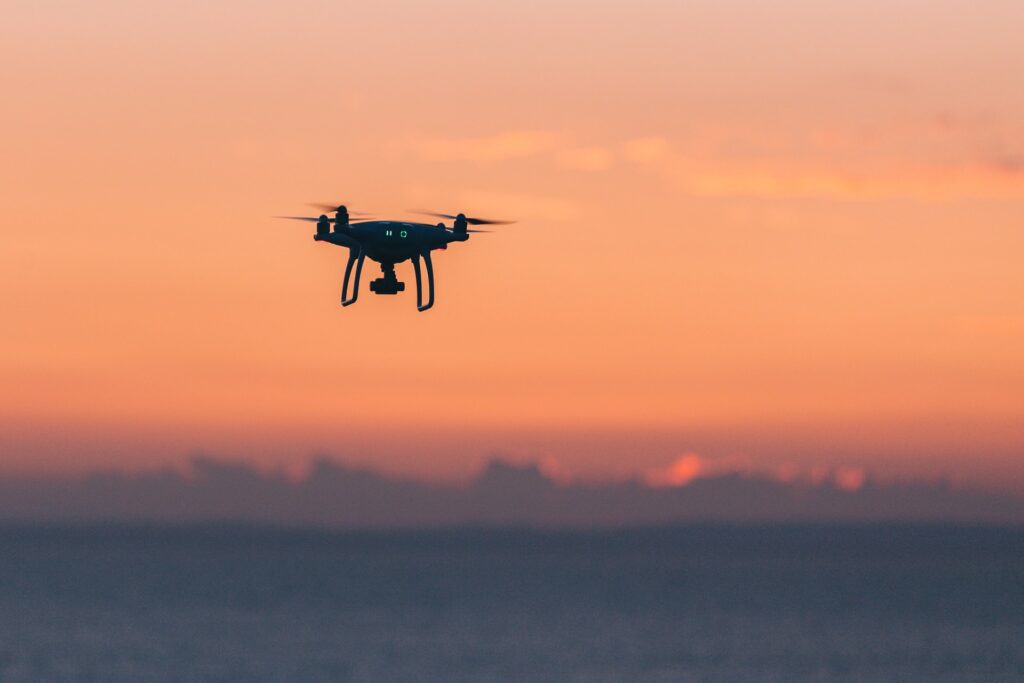
Drones can take excellent aerial photographs and video, as well as collecting huge amounts of imaging data, which can be used to make 3D maps and models. Drones can also include other components such as a GPS module and sensors, plus other features, such as night vision, depending on what they are being used for. This makes them a really flexible tool for the Offshore industry.
What can a drone be used for in non destructive testing?
Drones are an increasingly useful tool when performing visual testing for NDT as they can access areas that are difficult to reach. Areas that appear to be suffering corrosion or fault can be flagged for a more detailed inspection by an NDT technician.
How are drones used in the Offshore industry?
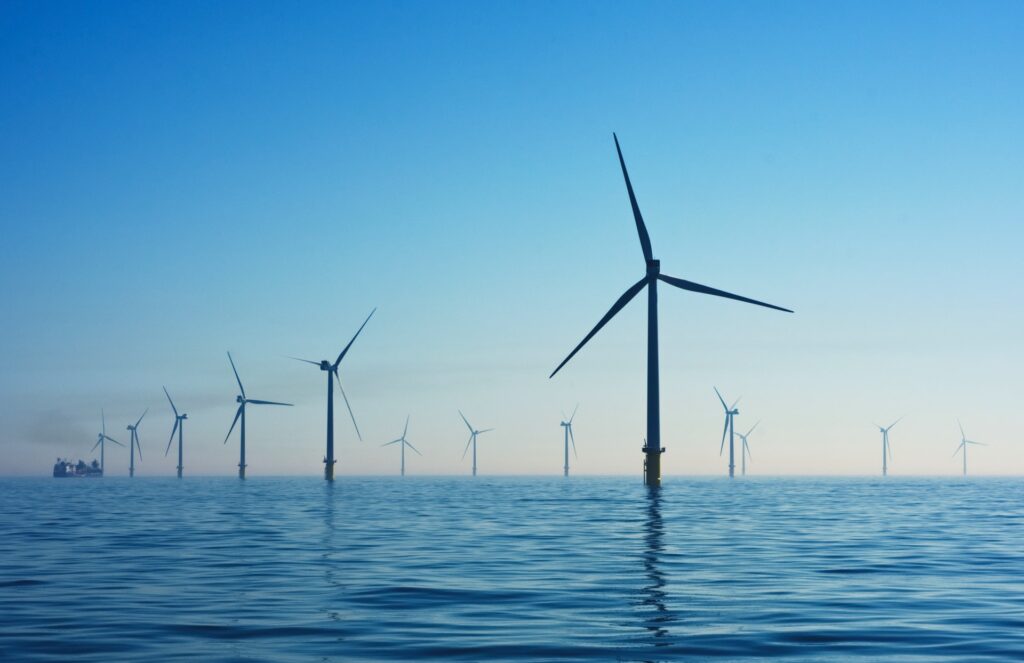
The offshore industry typically describes industries that work on rigs in the sea, such as the oil and gas industry, although increasingly Offshore also includes those involved in the renewable energy sector.
Drones can easily manoeuvre around a large, complex offshore site and they can collect visual and thermal data, as well as storing the exact location of any issues.
An offshore site such as an oil rig or wind turbine farm suffers a lot of wear and tear from extreme weather conditions such as wind, rain, hail, snow and waves, and more. Salt water can cause major deterioration and corrosion of a metal structure. Drones can be used as a non destructive testing method to observe, inspect and monitor these assets, equipment, personnel and sites for corrosion and deterioration.
What are the benefits of using drones in the Offshore Industry?
Drones are adaptable tools that can be used in many different industries for a range of purposes. Here are some of the benefits of their use in the Offshore industry.
1. Drones are cost effective
Using a drone can save both time and money. Drones increase efficiency as they conduct inspections in a fraction of the time of a manual inspection and can be completed while a site is still operational. Drones are more cost effective than manual inspections as they only require one drone operator. They are incredibly versatile and can be used in a number of ways. They can perform tasks that would otherwise require multiple people and expensive scaffolding equipment, thus reducing costs.
2. Drones reduce risk
Oil rigs can have multiple hostile environments including confined spaces, tall and complex stacks and pipelines, hazardous materials, and areas with oxygen-poor atmospheres. Inspecting an oil rig can be a dangerous job involving manoeuvring around large structures from great heights.
Using a drone can reduce the risk to workers as the pilot and other workers can remain on the platform while the drone is deployed. Professionals are able to complete the inspection from a safe area, reducing the risk of worker injuries or deaths.
3. Drones collect better quality data
Finally, drones collect incredibly high quality data which would otherwise be impossible to obtain. This includes images, video and audio. Drones are incredibly accurate and can fly a repeat mission, allowing it to obtain information from consistent locations. This data can be stored, creating an historical record of the site. This data can also be used to make decisions about the repair or maintenance of a site.
Using a Drone in the Offshore Industry
A drone is an incredibly versatile piece of equipment that can be used to inform technicians involved in the offshore industry. Drones are cost effective and can save you time and money. They reduce risk to workers by minimising their need to access hostile environments. They also collect better quality data that can be used to make informed decisions about repair and maintenance.
